
What Are Immune Modulation Peptides?
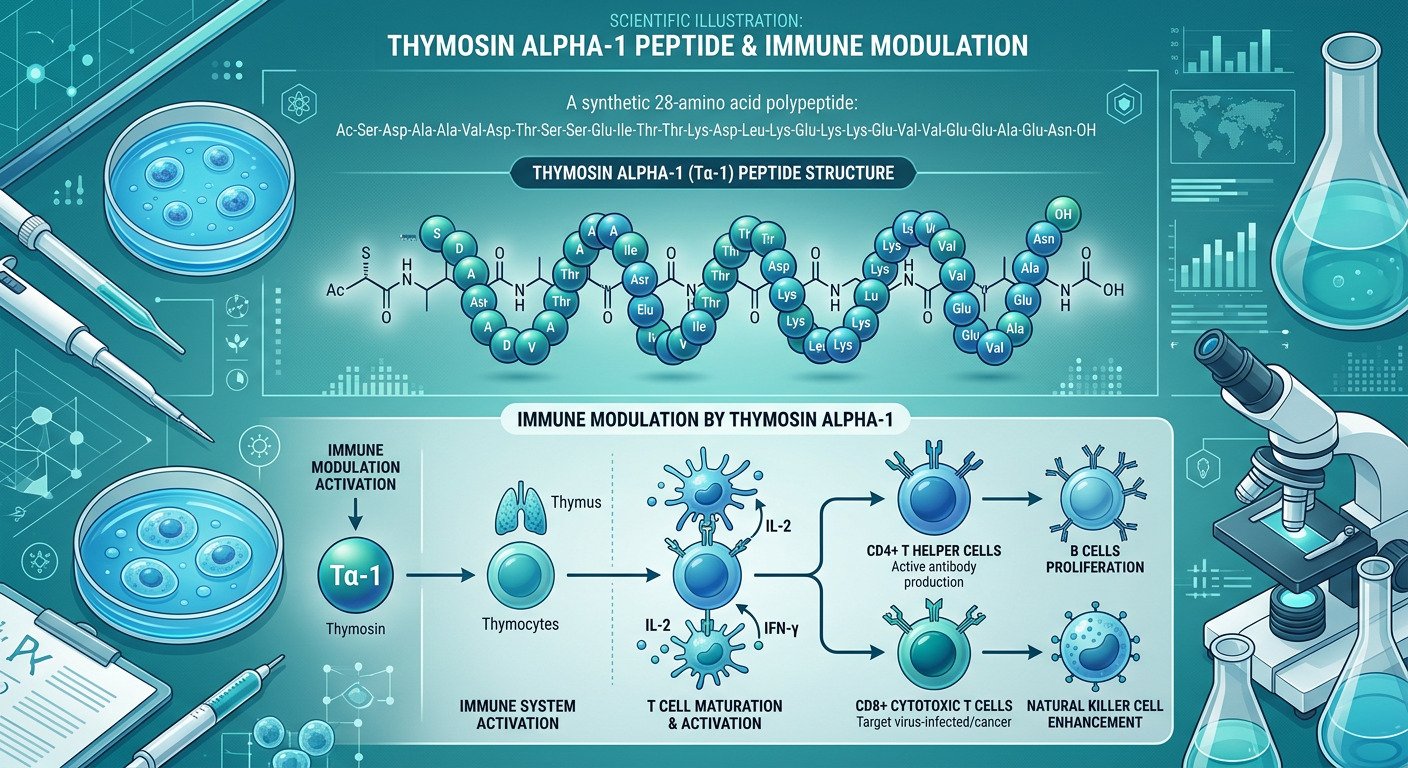
Immune modulation peptides are a class of short amino acid chains studied for their potential to influence the immune system. Many of these peptides are produced by the thymus, a small gland located in the upper chest that plays a central role in the development and regulation of immune cells.
The thymus produces peptides that help train and regulate T-cells, which are essential for the body's defense against infections and other threats. Researchers have studied these peptides for their potential to support balanced immune function.
How Immune Modulation Peptides Are Believed to Work
Research suggests that immune modulation peptides may influence immune function through several mechanisms:
- Enhancing T-cell function: These peptides may support the development and activity of T-cells, which are central to the body's adaptive immune response.
- Modulating immune response: Immune modulation peptides may help balance the immune system, potentially enhancing its ability to respond to threats while reducing overactivity.
- Supporting immune surveillance: These peptides are studied for their potential to help the immune system identify and respond to abnormal cells.
What Research Has Found
Studies on immune modulation peptides have explored their potential effects on:
- Viral infections and immune challenges
- Autoimmune conditions and immune balance
- Support for the immune system during cancer treatment
While some findings are encouraging, robust human clinical trials remain limited. More research is needed to fully understand the effects, safety, and appropriate applications of immune modulation peptides in humans.
Current Status
Immune modulation peptides are not approved by the U.S. Food and Drug Administration (FDA) or the European Medicines Agency (EMA) as general medical treatments. Some peptides in this category have been approved for specific medical uses in certain countries, but not for general immune support. The legal status of these compounds varies by country, and individuals should be aware of the regulations in their jurisdiction.
Key Takeaways
- Immune modulation peptides are often produced by the thymus gland.
- They are believed to work by enhancing T-cell function and balancing immune response.
- Research has explored their effects on infections, autoimmune conditions, and cancer support.
- They are not approved as general medical treatments in the USA or EU.
- Anyone considering peptides should consult a qualified healthcare professional.
This article is for educational purposes only and does not constitute medical advice. See our Disclaimer for more information.